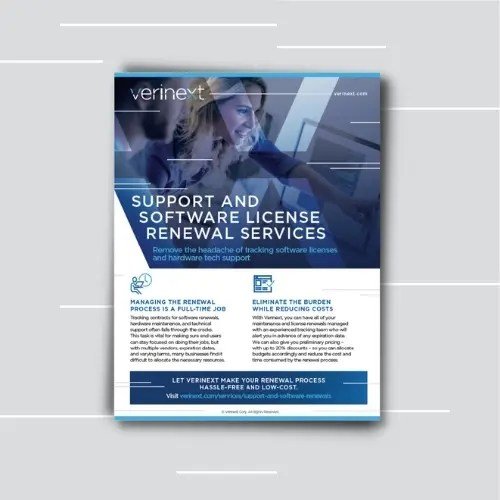
The software you rely on powers your business, but the way you acquire and manage those licenses often feels like navigating a maze blindfolded. Software license procurement and renewal isn't just an IT task; it's a strategic financial lever, a compliance safeguard, and a critical component of operational efficiency. Get it wrong, and you're bleeding budget, risking audits, and stifling innovation. Get it right, and you unlock significant savings, streamline operations, and empower your teams.
Imagine a world where you actually understand your software footprint, where renewals are proactive rather than panic-induced, and where every dollar spent on licenses delivers maximum value. This isn't a pipe dream. It's an achievable reality with the right strategies, tools, and expertise.
At a Glance: Your Roadmap to Smarter Software Licensing
- Gain Total Visibility: You can’t manage what you can’t see. A consolidated view of all software assets is non-negotiable.
- Streamline Procurement: Implement clear workflows, approval processes, and standardized catalogs to prevent shadow IT and overspending.
- Proactive Renewals: Shift from reactive scrambling to strategic planning, leveraging data to optimize every renewal.
- Negotiate from Strength: Understand your usage, entitlements, and market value before engaging vendors.
- Ensure Compliance: Avoid costly audits and penalties by aligning licenses with actual usage and contractual terms.
- Leverage Technology: Utilize intelligent platforms for automation, analytics, and a single source of truth for all licensing data.
- Tap into Expertise: Don't go it alone. Specialists can provide analysis, guidance, and support from quote to renewal.
The Software Licensing Maze: Why It's So Easy to Get Lost (and Overspend)
For many organizations, managing software licenses is a perpetual headache. It starts with a simple purchase, then another, and another, across different departments, often with varying terms and conditions. Before you know it, you're wrestling with:
- Vendor Sprawl: A dizzying array of publishers, each with their own licensing models (per-user, per-core, subscription, perpetual, cloud, on-premise).
- Lack of Centralized Control: Decentralized purchasing leads to duplicate licenses, unused software, and missed volume discounts.
- Opacity of Entitlements: Do you really know what you own, where it's installed, and who's using it? Conflicting records, or no records, are common.
- Reactive Renewals: Approaching renewals without data or a strategy often means accepting whatever price the vendor offers, regardless of actual need.
- Compliance Risks: Under-licensing can lead to hefty fines and reputational damage during an audit; over-licensing is pure wasted budget.
- Complex Integrations: Trying to get a holistic view of hardware, software, and services when they're all bought and tracked separately.
These challenges aren't just administrative burdens; they hit your bottom line directly. Wasted spending on unused or underutilized licenses can easily run into the millions for larger enterprises, while compliance missteps can incur even greater costs.
Beyond the Sticker Price: Unpacking the True Cost of Software
When you're evaluating a software license, the price tag on the quote is just the beginning. The Total Cost of Ownership (TCO) paints a much more realistic picture, and understanding it is crucial for smart procurement.
Think of it like buying a car. The sticker price is important, but you also factor in fuel, insurance, maintenance, and potential repairs. Software is no different. TCO for software licenses includes:
- Initial Procurement Cost: The price of the license itself.
- Maintenance & Support Fees: Often annual, these can be a significant recurring expense.
- Implementation & Integration: Costs for getting the software up and running and integrated with existing systems.
- Training: Equipping your team to effectively use the new software.
- Hardware & Infrastructure: Any new servers, storage, or network upgrades required.
- Operational Costs: Ongoing administration, monitoring, and updates.
- Opportunity Costs: What your team isn't doing while managing complex licensing, or the productivity hit from inefficient tools.
- Compliance & Audit Costs: The expense of proving compliance, or the penalties for falling short.
Savvy organizations look beyond the initial purchase to forecast these ongoing costs, allowing them to make truly informed decisions that optimize long-term value, not just short-term savings.
The Pillars of Smart Software License Procurement
Effective procurement isn't just about buying; it's about strategy, visibility, and control.
1. Visibility is Power: Knowing Your Software Footprint
You can't manage what you can't see. The cornerstone of effective software license management is a comprehensive, up-to-date inventory of all your software assets. This means understanding:
- What software do you have? Every application, every version.
- Where is it installed? On-premise, cloud, virtual machines, individual devices.
- Who is using it? Actual users versus licensed users.
- What are your exact entitlements? The specific use rights, quantities, and limitations outlined in your contracts.
- When do contracts expire? The critical dates for renewals.
Without this holistic view, you're essentially guessing. You might buy new licenses for software you already own, or cling to expensive agreements for tools hardly anyone uses.
The MyInsight Advantage: Platforms like Insight's myInsight account are designed to bring this crucial visibility to light. By consolidating purchasing data across all vendors, it provides a full, historical picture of software purchases. This isn't just a list; it normalizes and analyzes purchase history to clarify license entitlements, use rights, and agreement specifics (products, installation locations, contracts). Imagine a single panel where you can review your entire application ecosystem, licenses, and renewals. That's visibility that drives real savings and efficiency.
2. Streamlining the Buying Process: Governance Without Gridlock
Easy buying doesn't have to mean chaotic buying. Robust governance establishes clear rules and processes, ensuring that every software purchase aligns with company standards and strategic goals, all while preventing "shadow IT" and controlling costs.
- Standardized Catalogs: Create a curated list of approved software with pre-negotiated terms and pricing. This simplifies choices for users and ensures compliance.
- Roles-Based Permissions & Workflows: Define who can request, approve, and purchase software. Automated approval workflows ensure compliance while accelerating the process.
- Punchout/Roundtrip Catalogs: Integrate your procurement platform directly with supplier catalogs, making ordering seamless and guided, while adhering to your company's rules.
- Centralized Purchasing: Consolidate purchasing power to leverage volume discounts and reduce administrative overhead.
A Real-World Example: The California SLP
Consider the success of the California Software Licensing Program (SLP). Established in 1994, this program centralizes the negotiation of extensive software discounts with major publishers. These pre-negotiated savings are then passed on to state agencies through established contracts with authorized resellers. This model demonstrates how a large, complex organization can achieve significant cost savings and streamline procurement by:
- Leveraging collective buying power.
- Standardizing contract terms.
- Reducing administrative burden for individual agencies.
This is a powerful lesson in how smart governance can optimize procurement at scale. MyInsight replicates this concept within an enterprise, offering customizable product catalogs, order templates, and guided purchasing experiences that adhere to company standards, along with flexible user roles and customizable shipping, billing, payment, and cost center options. It integrates with over 500 e-procurement partner platforms, making it a global tool for the entire procurement process.
3. Negotiation Nuances: Getting the Best Deal
Negotiation isn't just for first-time purchases; it's an ongoing process. Approaching vendors from a position of knowledge and strength is key.
- Data is Your Leverage: Know your actual usage. If you're using less than you thought, you have grounds to reduce your licensing. If you're growing rapidly, you can negotiate better terms for future expansion.
- Understand Market Alternatives: Research competitor products and their pricing. This gives you alternatives to present during negotiations.
- Time Your Negotiations: Don't wait until the last minute for renewals. Start discussions well in advance to give yourself room to maneuver.
- Focus on Value, Not Just Price: Consider the entire package: support levels, training, future roadmaps, and flexibility.
- Seek Expert Guidance: Specialists can provide invaluable analysis and guidance on IT spending, helping to identify and qualify solutions, handle commercial issues, and even offer product demos and roadmap documentation.
4. Compliance and Risk Management: Staying Out of Hot Water
Software publishers regularly audit their customers to ensure compliance with licensing agreements. Non-compliance can result in severe penalties, including hefty fines, retroactive license purchases at inflated prices, and legal costs.
- Understand Your Agreements: Read the fine print. Know the metrics (users, cores, devices), use rights (test environments, disaster recovery), and geographic limitations.
- Maintain Accurate Records: Your license management platform should be the single source of truth for all entitlements and deployment data.
- Regular Self-Audits: Proactively compare your deployments against your entitlements to identify and rectify any discrepancies before an official audit.
- Decommission Unused Software: Not only does this save on potential compliance costs, but it also frees up licenses for reallocation.
Mastering the Renewal Cycle: From Reactive to Proactive
Software renewals are often treated as an inevitable, unavoidable expense. But with strategic planning, they become a prime opportunity for cost savings and optimization.
The Cost of Inaction in Renewals
Ignoring upcoming renewals or handling them reactively can be incredibly expensive:
- Lapsed Maintenance Penalties: Many vendors impose significant fees for reinstating lapsed maintenance contracts.
- Loss of Negotiating Leverage: A last-minute renewal means you have no time to explore alternatives or negotiate better terms.
- Higher Renewal Costs: Without data on usage or proper planning, you're likely to accept standard price increases.
- Operational Disruption: Crucial software could become unsupported, risking system stability or security.
Automated renewal notifications, a key feature in platforms like myInsight, help you avoid these pitfalls, giving you ample time to prepare.
Forecasting and Planning: See the Future of Your Software Spend
Effective renewal management begins long before the expiration date.
- Robust Data & Analytics: Leverage historical purchase data and current usage metrics to predict future needs. MyInsight's reporting and analytics provide a consolidated view with up to three years of stored data, empowering procurement and budget forecasting.
- Renewal Dashboards: A dedicated renewals dashboard, like those offered by myInsight, highlights upcoming renewals, accelerating the process and providing crucial lead time to evaluate, optimize, and negotiate.
- Budget Alignment: Integrate renewal forecasts directly into your budgeting process, ensuring resources are allocated effectively and surprises are minimized.
This kind of forward-looking insight allows your organization to move beyond simply paying the bill to strategically optimizing your entire software portfolio.
Optimization Strategies Before Renewal
Before you even think about renewing, ask these critical questions:
- Is This Software Still Needed? Has the business requirement changed? Are there newer, more efficient, or less expensive alternatives?
- Are We Right-Sized? Are you licensed for 1,000 users when only 700 are active? Can you reduce license counts?
- Are We Using All Features? Are you paying for premium features that are never utilized? Could a lower-tier version suffice?
- Can We Consolidate? Are multiple departments using different tools for the same function? Can you standardize on one?
- Have Usage Rights Changed? Have your internal needs shifted? For example, moving workloads to the cloud might impact your on-premise licensing terms.
Answering these questions allows you to approach the renewal negotiation with a clear strategy for rightsizing your estate and potentially saving a significant amount. This is where Understanding your subscriber license deeply becomes invaluable, ensuring you’re leveraging every aspect of your existing agreements.
Vendor Relationships: A Partnership, Not a Battle
While negotiation is key, fostering strong, collaborative relationships with your key software vendors can yield long-term benefits.
- Open Communication: Keep lines of communication open, sharing your strategic roadmap (where appropriate) and understanding their product direction.
- Fairness and Transparency: Be clear about your needs and expectations, and expect the same in return.
- Strategic Dialogue: Engage vendors in discussions about potential optimizations, new product offerings that could reduce your footprint elsewhere, or bundled deals.
- Escalation Paths: Know who to contact for different issues—technical support, account management, and executive leadership if needed.
Specialists can play a crucial role here, handling commercial and relationship issues on your behalf, acting as an intermediary to ensure both parties achieve their objectives while optimizing technology resources.
Leveraging Technology: The Smart Platform Advantage
In today's complex IT landscape, manual spreadsheet tracking and siloed purchasing are simply unsustainable. Modern software license procurement and renewal demand intelligent platforms that offer automation, analytics, and a single source of truth.
Think of a comprehensive platform like myInsight as your central nervous system for technology procurement:
- Global Reach & Customization: It's a global tool, supporting multiple languages and currencies, adaptable to various organizational structures. You can create custom product catalogs and unique checkout fields specific to your company's needs.
- Seamless Integration: With integration into 500+ e-procurement partner platforms, myInsight becomes a central hub, connecting your internal systems with external vendors and marketplaces.
- Holistic Reporting & Analytics: Beyond just purchases, it collects, normalizes, and analyzes data to clarify entitlements and agreements. Personalized dashboards improve order tracking and reconciliation, while an in-depth report library allows you to generate reports (order history, billing, invoice) using up to three years of stored data. This deep insight helps identify value opportunities across your technology supply chain.
- Proactive Management Tools: The renewals dashboard and automated renewal notifications are game-changers, actively helping you avoid common licensing pitfalls like unauthorized purchasing and lapsed maintenance penalties.
- Workflow Automation: From request to approval to purchase, these platforms orchestrate IT asset lifecycle workflows, ensuring every step is compliant and efficient.
These capabilities transform software licensing from a burdensome chore into a strategic advantage, freeing up IT and procurement teams to focus on higher-value activities.
Common Pitfalls and How to Sidestep Them
Even with the best intentions, organizations often stumble. Here's how to avoid common traps:
- Buying on Impulse Without a Clear Need:
- Pitfall: A new tool looks shiny, a department wants it now, and procurement rushes the purchase without full evaluation or checking existing alternatives.
- Solution: Implement strict, data-driven approval workflows. Force a "stop and think" moment to assess genuine need, budget impact, and integration with existing tools.
- Ignoring Total Cost of Ownership (TCO):
- Pitfall: Focusing solely on the initial license cost and overlooking recurring maintenance, support, and operational expenses.
- Solution: Always perform a TCO analysis. Factor in all associated costs over the projected lifespan of the software to get a true picture of its financial impact.
- Lack of Centralized Visibility and Control:
- Pitfall: Different departments buying the same software independently, leading to duplicate licenses, missed volume discounts, and shadow IT.
- Solution: Implement a central procurement platform (like myInsight) with company standards, approval workflows, and consolidated reporting. This creates a "single pane of glass" for all software assets.
- Reactive, Last-Minute Renewals:
- Pitfall: Waiting until the last minute to address a software renewal, leaving no time for negotiation or optimization.
- Solution: Leverage automated renewal notifications and a dedicated renewals dashboard. Start planning 90-120 days in advance, giving ample time to assess usage, explore alternatives, and negotiate effectively.
- Neglecting Software Asset Management (SAM) Best Practices:
- Pitfall: Treating SAM as an optional activity rather than an ongoing discipline, leading to compliance gaps and wasted licenses.
- Solution: Embed SAM into your operational DNA. Regularly reconcile deployed software against entitlements, decommission unused licenses, and continuously optimize your software portfolio.
Your Blueprint for Optimized Software Licensing: Next Steps
Transforming your software license procurement and renewal process isn't an overnight task, but it delivers significant, measurable returns. Here’s how to get started:
- Assess Your Current State: Conduct an honest audit of your existing software assets, contracts, and procurement processes. Where are the blind spots? What are the biggest pain points?
- Champion Centralized Visibility: Invest in tools and processes that provide a consolidated, up-to-date view of your entire software estate—from purchase to renewal, across all vendors. This is the absolute foundation.
- Standardize and Automate: Establish clear, roles-based approval workflows and standardized purchasing catalogs. Leverage platforms that automate these processes to reduce manual effort and human error.
- Build a Proactive Renewal Strategy: Shift your focus from reacting to renewals to strategically planning for them well in advance. Utilize analytics to forecast needs and identify optimization opportunities.
- Engage the Experts: If software licensing complexity is overwhelming your internal teams, connect with specialists. From initial quotes to ongoing analysis and renewal guidance, their expertise can bridge knowledge gaps, identify savings, and ensure compliance.
By treating software license procurement and renewal as a strategic imperative, you're not just managing costs; you're building a more efficient, compliant, and agile technology foundation for your entire organization. The savings and operational improvements are waiting to be unlocked.